

WPC Wall Panel
Why choose us
Product Application
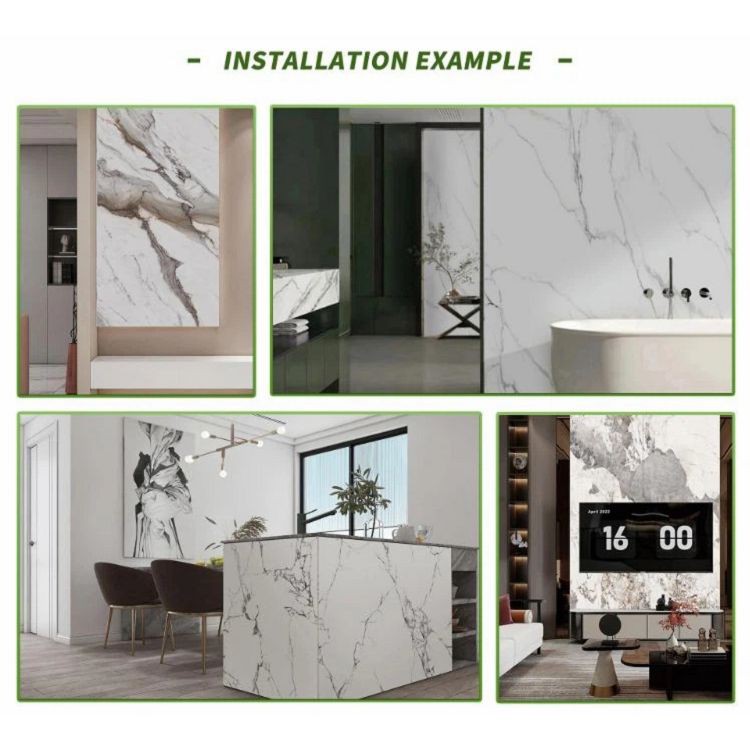
Our main customers include calligraphy and painting shops, museums, wedding photography studios, decoration companies, tooling companies, and regional agents. Our products are also suitable for hotels, bars, KTV venues, tea shops, stores, and corporate image projects.
Our Products
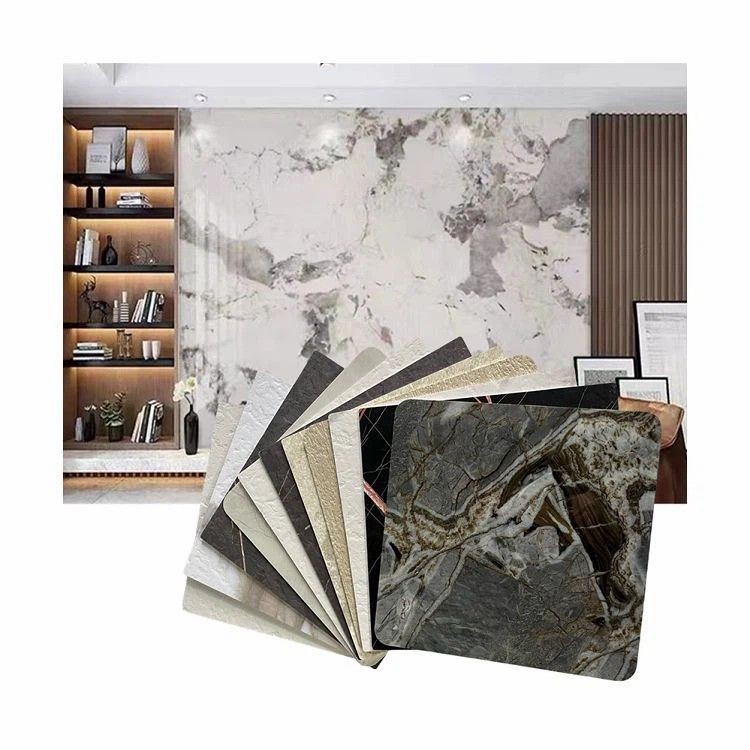
We offer a variety of products, including PVC marble wall panels in thicknesses of 2.0mm, 2.2mm, 2.3mm, 2.5mm, 2.6mm, 2.8mm, and 3.0mm. The lengths available are 2440mm, 2580mm, 2800mm, 2900mm, and 3000mm. Our product range also includes UV marble wall panels, WPC panels, and PVC films.
Production
Our production process combines research and development, design, and manufacturing. We mainly sell PS foam lines, PS decorative lines, PVC decorative lines, PVC flame-retardant lines, UV board series, technology stone lines, decorative paintings, and Rome columns.
Technology
To ensure product quality, our company strictly follows industry standards and guidelines. We use industry-leading testing equipment to maintain high quality and a good reputation.
What is a WPC Wall Panel?
Wood plastic composite wall panels are specialist materials designed to provide a simple panel for use on the walls of properties, either as a divider or for decorative purposes typically. WPC itself stands for wood plastic composite and refers to a manufactured material that is created from recycled wood and plastic fibers.


WPC panels offer many benefits that homeowners, DIYers, contractors, and the like would love to have—Making them one of the top choices in mind for outdoor space projects.
Low-Maintenance
One of the most sought-after selling points of WPCs is their low-maintenance feature. Since WPCs are dirt and weather-resistant, they only require minimal maintenance compared to traditional wood wall panels.
Sustainable
Since WPCs are made from wood fibers and recycled plastics, they are much more sustainable than other types of wall panels available, such as wood panels and PVC panels.
Aesthetically Pleasing
WPC panels are made with aesthetically pleasing textures and color options. Though traditional wood is still the king concerning customization, WPCs are trailing fast.
Durable
Wood alone is durable, but once you add strong plastics, they become stronger and more durable together. WPCs boast outstanding durability and can resist blunt force, dents, and even scratches.
Moisture-Resistant
While certain woods are porous (meaning they have micro “pores” that allow water in), some aren’t and can resist moisture. On the other hand, plastics are practically waterproof and if you combine the two, you create WPC.
Applications of WPC Wall Panels WPC
Residential Spaces
WPC wall panels add a touch of elegance to living rooms, bedrooms, and kitchens. Their ability to mimic the look of natural wood while offering superior durability makes them a popular choice for interior walls and ceilings.
Commercial Spaces
In commercial settings, WPC panels are used to create professional and inviting environments in offices, hotels, and retail spaces. Their resistance to wear and tear makes them ideal for high-traffic areas, ensuring they look pristine for years.
Bathroom Uses
WPC panels are highly suitable for bathroom applications. Their moisture-resistant and water-resistant properties make them ideal for use in wet areas such as shower enclosures and bathroom walls. They prevent mold and mildew growth, providing a hygienic and stylish solution for bathroom renovations.
Composition of WPC wall panels
WPC wall panel (Wood-Plastic Composite Wall Panel) usually consists of the following components:
(1) Wood fiber (wood powder or sawdust)
Mainly derived from waste in the wood processing industry or debris generated during wood processing. These wood fibers serve as an important component of WPC wall panels, giving them their natural wood texture and texture.
(2) Thermoplastics (polyethylene, polypropylene, etc.)
Plastic is often the other main ingredient in WPC siding. These can be recyclable plastics that are mixed with wood fibers to form a strong composite.
(3) Additives
Some special chemicals or additives may be added during the manufacturing process of WPC wall panels, such as preservatives, antioxidants, stabilizers, etc., to enhance the weather resistance, anti-corrosion performance and stability of the material.
(4) Dye or pigment (optional)
To give WPC siding different colors and textures, dyes or pigments may be added. This allows the siding to mimic the look of a variety of woods while also providing a variety of decorative options.

WPC Wall Panel Color Options
Natural Tones
WPC panels are available in a spectrum of natural wood tones such as oak, teak, cedar, and walnut. These colors appeal to those seeking a classic or rustic look while enjoying the benefits of a composite material.
Contemporary Finishes
For modern interiors, manufacturers offer WPC panels in contemporary finishes like gray, charcoal, and white. These neutral colors complement minimalist design schemes and provide a sleek backdrop for furniture and decor.
Custom Color Matching
Some manufacturers offer custom color-matching services for WPC panels, allowing designers to achieve specific color requirements for unique projects. This service ensures that WPC panels seamlessly integrate with existing interior palettes or corporate branding.
What Are WPC Wall Panels Made of?
WPC wall panels (wood plastic composite wall panels) are usually made from the following materials:
Wood Fiber
Also known as wood flour or sawdust, it is mostly made from waste from wood processing companies or what is broken down during wood processing. Wood fibers are an important part of WPC wall panels because they give the wall panels the look and feel of solid wood.
Thermoplastics
Thermoplastics such as polyethylene and polypropylene are usually the other main components of WPC wallboard. These recycled plastics will mix well with the wood fibers to produce a strong WPC product.
Additives
When making WPC wall panels, certain chemicals or ingredients may be added to make them more stable, weather-resistant, and corrosion-resistant. These substances include preservatives, antioxidants, stabilizers, etc.
Colors or Dyes (optional)
Dyes or pigments can be added to WPC wall panels to give them different colors and finishes. This can make interior wall panels look like different kinds of wood, giving you many different ways to decorate.
How to Install WPC Wall Panel
Step 1: Fix the Wall Panels
Use a hand drill and wall panel fixing nails to attach the first WPC wall panel to the wall, ensuring it is level and vertical. First, mark the fixing points on the wall panel, then drill holes using the hand drill, and finally secure the panel to the wall with the fixing nails.
Step 2: Install the Connectors
Install connectors on both sides and the bottom of the wall panels to ensure a tight and secure connection. Connectors are usually made of plastic or metal and are known for their durability and stability.
Step 3: Install the Wall Panels in Sequence
Continue installing the remaining WPC wall panels in sequence, making sure that the connections between each panel are tight with no gaps. You can gently tap the panels with a hammer to ensure a secure fit.
Step 4: Trim the Corners
Use a hand saw or electric saw to trim the corners of the wall panels for a perfect fit against the wall. You can cut the panels into different shapes and sizes as needed to suit your renovation needs.
Step 5: Cleanup
After completing the installation, clean up the work area promptly to remove excess wood chips and debris, keeping the indoor environment tidy.
With so many different types of WPC wall panels, what aspects should we consider when choosing?
WPC interior wall panels have become a popular wall decoration material in recent years. Their designs can also be customized according to customer needs. The application range of WPC cladding panels is extensive, suitable for home decoration, tooling, or commercial spaces. Are you still confused about choosing the right interior WPC wall panel? George Panel, a well-known WPC wall panel manufacturer in China, offers some suggestions to help you!
How to Choose Suitable WPC Composite Boards?
Considerations for Home Style
If your home leans toward a simple Japanese style, opt for WPC composite boards with light-colored wood grain and light-colored fabric grain. The texture of these panels is pleasant and natural, creating a warm and relaxing atmosphere.
For a European pastoral retro style, choose dark wood grain WPC composite boards or patterned panels for a more cohesive European look. Regardless of your home's style, it’s best to match the color and texture of the WPC wall panels with the overall decor to maintain harmony and maximize the effectiveness of WPC interior wall cladding.
Considerations for Layout Design
(1) Overall Paving:
Replacing traditional painted walls with WPC composite boards is a common layout choice. Covering the walls with these panels connects all spaces smoothly and elegantly.
(2) Partial Composition:
If covering the entire wall limits your design options, consider a partial composition approach. This design method focuses on aesthetic embellishment. Select suitable wall spaces, outline the desired shapes, and lay the WPC composite boards accordingly. This approach allows the panels to serve as a transitional element rather than a dominant feature, showcasing their charm subtly.
●Precautions:
For overall paving, ensure unity in design. Clarify the style, texture, and color of the WPC composite boards based on the overall design style to avoid misalignment later.
While partial laying is a transitional design, it still requires careful planning. The placement, shape, and color of the panels need to be thoughtfully matched to ensure the best overall effect after installation.
Identify Quality
(1) Flatness of WPC Composite Boards:
When purchasing WPC composite boards, check their flatness. If the surface is uneven or there are significant color differences, it's best to avoid those panels. This may indicate insufficient craftsmanship, such as uneven corners or substandard adhesion. As a reputable WPC wall panel manufacturer, we ensure mature craftsmanship and high-quality products.
(2) Adhesion of WPC Composite Boards:
The laminate on the surface should be securely attached to the base material. Color differences in the same style of WPC composite boards should not be too pronounced. Avoid panels with issues like delamination or degumming. Selecting boards with a moisture content between 8% and 12% can prevent cracking and warping.
(3) Thickness of WPC Composite Boards:
Generally, thicker WPC composite boards are preferable. A thicker laminate enhances the natural appearance, making wood grain, stone, and fabric textures clearer and more upscale.
Our Factory
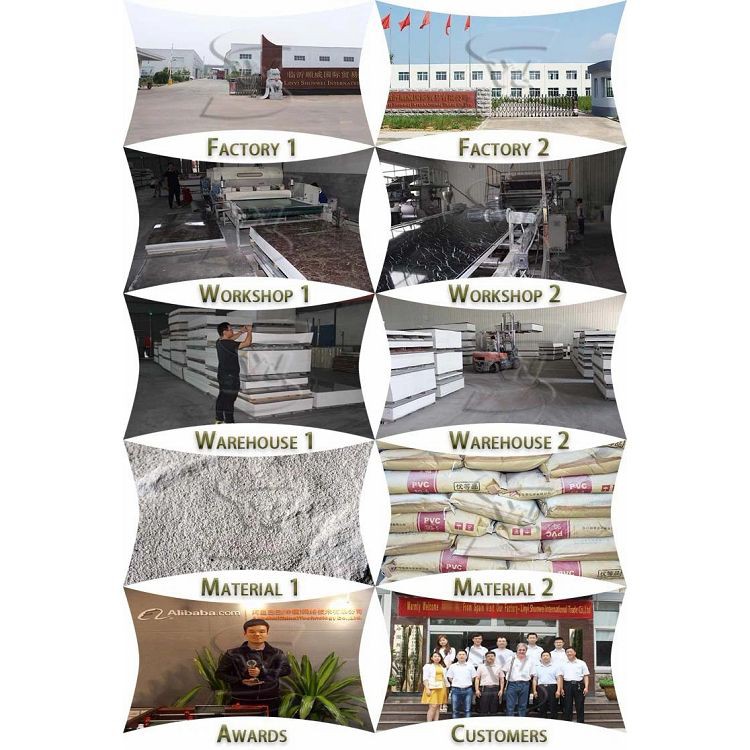
Linyi Shunwei International Trade Co.,Ltd is an integrated Company for 20 years in China, which is fully integrated R & D, design and production resources and mainly sales PS foam line, PS decorative lines, PVC decorative lines, PVC flame retardant line, UV board series, Technology stone lines, decorative painting, Rome column, etc.. The main service objects are calligraphy and painting shop, phase Museum, wedding photography, decoration companies, tooling companies and other regional agents, and suitable for hotels, bars, KTV, tea shops, stores, corporate image and other decorative works.

FAQ
We're professional wpc wall panel manufacturers in China, specialized in providing high quality products with low price. If you're going to wholesale customized wpc wall panel made in China, welcome to get quotation and free sample from our factory.
wpc wall panel, 160 24 2900mm WPC Wall Panel, Interior WPC Wall Panel