

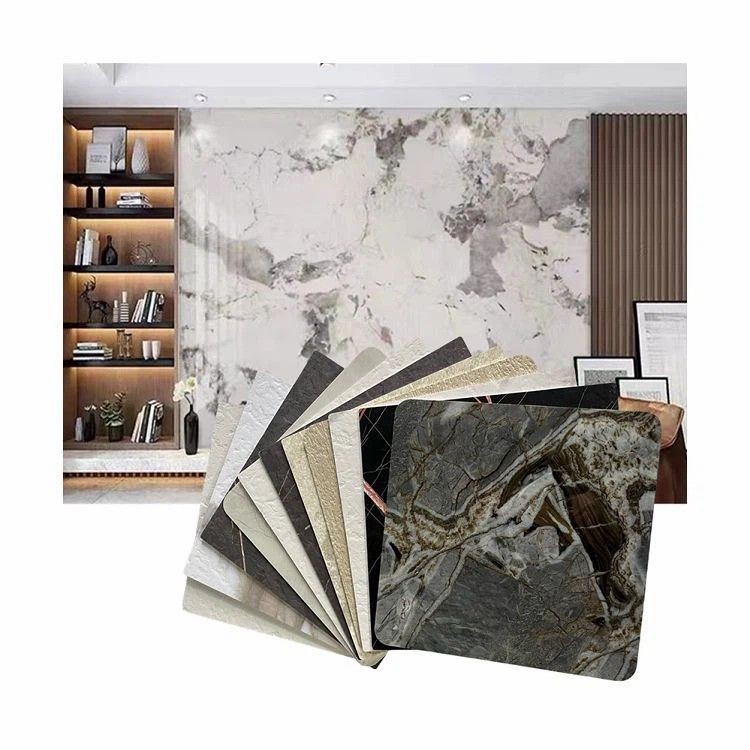
UV PVC Wall Panel
Why choose us
Product Application
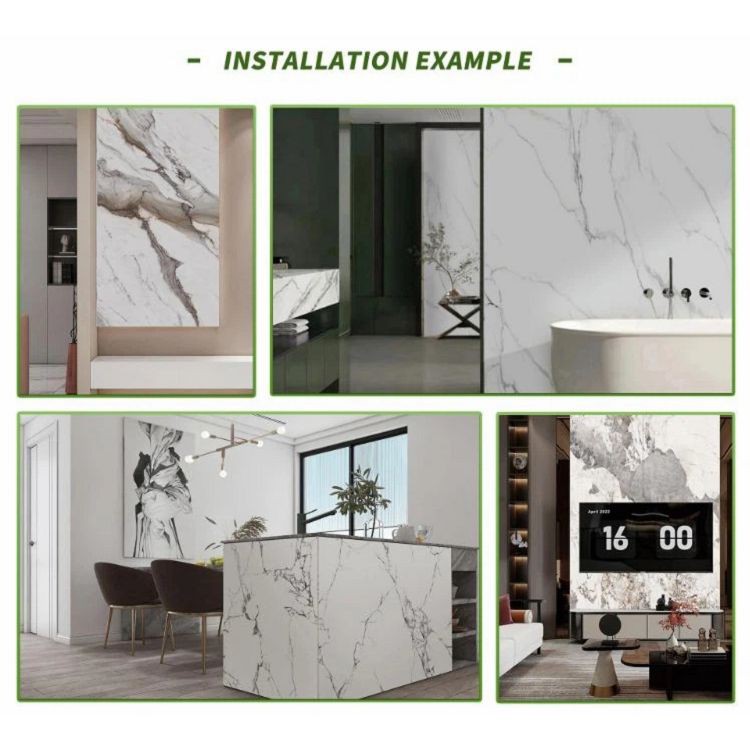
Our main customers include calligraphy and painting shops, museums, wedding photography studios, decoration companies, tooling companies, and regional agents. Our products are also suitable for hotels, bars, KTV venues, tea shops, stores, and corporate image projects.
Our Products
We offer a variety of products, including PVC marble wall panels in thicknesses of 2.0mm, 2.2mm, 2.3mm, 2.5mm, 2.6mm, 2.8mm, and 3.0mm. The lengths available are 2440mm, 2580mm, 2800mm, 2900mm, and 3000mm. Our product range also includes UV marble wall panels, WPC panels, and PVC films.
Production
Our production process combines research and development, design, and manufacturing. We mainly sell PS foam lines, PS decorative lines, PVC decorative lines, PVC flame-retardant lines, UV board series, technology stone lines, decorative paintings, and Rome columns.
Technology
To ensure product quality, our company strictly follows industry standards and guidelines. We use industry-leading testing equipment to maintain high quality and a good reputation.
UV wall panels are made from high-quality materials such as acrylic, PVC foam board, and polycarbonate. They’re built to last, and they can withstand the test of time, harsh weather conditions, and heavy traffic. In addition to their durability, they’re easy to install and require less maintenance than other wall cladding options.
What Are Pvc Wall Panels?
PVC, or polyvinyl chloride, is a manufactured plastic polymer known for its durability and flexibility. PVC wall panels are created from this material, consolidating strength with adaptability. These panels are designed to mirror the presence of traditional wall materials, like wood or stone while outperforming them regarding durability and maintenance.


3.Benefits of Using UV PVC Wall Panel Decorative
Durable and Long-lasting
One of the biggest advantages of using PVC panels is their incredible durability and long lifespan. Unlike traditional wall coverings such as wallpaper or paint, PVC panels are resistant to scratches, dents, and other forms of damage. This means they will look great for years to come, even in high-traffic areas.
Easy to Install
Another great benefit of PVC panels is that they are incredibly easy to install. Unlike other types of wall coverings, which can be time-consuming and messy to install, PVC panels can be installed quickly and easily using basic tools. This means you can transform your space in no time at all.
Low-Maintenance
PVC panels are also very low-maintenance. Unlike other types of wall coverings that require regular cleaning and upkeep, PVC panels can be easily wiped clean with a damp cloth. This makes them ideal for use in areas such as kitchens and bathrooms, where hygiene is important.
Waterproof
Another great benefit of PVC panels is that they are waterproof. This makes them ideal for use in areas like bathrooms and kitchens, where moisture is a concern. Unlike other types of wall coverings that can become damaged by water and humidity, PVC panels will remain looking great for years.
Versatile
Finally, PVC panels are incredibly versatile. They can be used in a wide range of applications, from residential to commercial settings. Whether you want to add a touch of style to your home or office, or you're looking for a durable and low-maintenance wall covering for your business, PVC panels are an excellent choice.
Material Composition
WPC wall panels are made from a combination of wood fibers and thermoplastics. In contrast, PVC wall panels are made of 100% rigid plastic and PVC resin (polyvinyl chloride). The wood fibers used in WPC wall panels are usually recycled, while the plastic resin is derived from virgin PVC.
Appearance and Beauty
WPC wall panels have a more natural wood look, with distinct grain and texture. PVC wall panels, however, have a smooth, glossy finish with no visible grain, giving them a more plastic-like appearance. PVC wall panels exhibit synthetic homogeneity and are less aesthetically pleasing compared to WPC panels, which feature real wood grain engravings and imprints, offering more natural colors and a more attractive appearance.
Installation Method
WPC wall panels can be installed using various methods, including tongue and groove, clips and screws, and adhesives. PVC wall panels are easier to install than WPC panels because they typically require only adhesives.
Ease of Use
WPC wall panels offer greater flexibility and can be easily bent, routed, or cut to fit the contours of any space. Conversely, PVC wall panels cannot be routed, requiring more tools for modifications. Therefore, for a perfect fit in available spaces, WPC wall panels are preferable.
Thickness
WPC wall panels are thicker than PVC wall panels, making them more durable and impact-resistant. WPC panels come in various thicknesses, depending on the manufacturer and intended use. Common thicknesses include:
– 8mm: Suitable for indoor residential and commercial applications such as living rooms, bedrooms, and offices, offering a good balance between durability and economy.
– 10mm: A stronger option that provides greater durability and insulation, typically used in commercial or high-traffic residential areas requiring higher wear resistance.
– 12mm: Designed for heavy-duty applications requiring extra strength and durability, such as exterior cladding or commercial environments.
– 15mm: The thickest panels used for applications demanding extreme durability and insulation, such as building facades or other challenging environments.
Note that these are general guidelines, and specific products may vary. It is essential to select the proper thickness for your specific application and consult the manufacturer for recommendations.
PVC wall panels also come in various thicknesses, depending on their intended use and specific product. Common thicknesses include:
– 5mm: Often used in interior residential and commercial applications such as bathrooms and kitchens, offering a balance of durability, cost-effectiveness, and ease of installation.
– 8mm: A slightly thicker option for increased durability and insulation, typically used in commercial or high-traffic residential areas.
– 10mm: Designed for heavy-duty applications in industrial or commercial environments requiring extra strength and durability.
– 12mm: The thickest panels typically used in special applications requiring extreme durability and insulation, such as cold storage facilities or industrial settings.
Keep in mind these are general guidelines, and specific products may vary. It is important to select the appropriate thickness for your application and consult the manufacturer for recommendations.
Weight
WPC wall panels are heavier than PVC wall panels, making them more difficult to install. In contrast, PVC wall panels are lighter, which makes them easier to install.
Fire Performance
Both WPC and PVC wall panels are fire-resistant, but WPC panels offer greater fire and heat resistance. PVC wall panels have a lower ignition point, making them less fire-resistant.
Anti-UV
WPC wall panels are more resistant to UV radiation than PVC wall panels, making them ideal for outdoor applications. While PVC wall panels are less UV-resistant, they are not as prone to fading or discoloration as WPC panels.
Moisture-Proof and Waterproof
Due to the presence of wood fibers, WPC wall panels are more water-resistant, absorbing moisture and resisting deformation, making them suitable for high-humidity environments. PVC wall panels are also waterproof but are not hygroscopic.
Chemical Resistance
WPC wall panels are less resistant to chemicals, as they can be damaged by certain substances. PVC wall panels, however, are more resistant to chemicals, making them suitable for industrial and laboratory environments.
Scratch Resistance
WPC wall panels are less scratch-resistant than PVC wall panels, which are more durable in this regard.
Anti-Termite
WPC wall panels are more resistant to termites than PVC wall panels.
Waterproof and Moisture-Proof
Both WPC and PVC wall panels exhibit excellent moisture-proof and waterproof performance. WPC panels also resist temperature changes better, not expanding or contracting significantly with temperature fluctuations, making them superior to PVC in wet conditions.
Non-Slip
WPC wall panels offer better slip resistance due to their wood grain texture. If your deck is located in a rainy area or is exposed to water, you should choose WPC wall panels to reduce the risk of slips, accidents, and falls.
Mildew Resistance
PVC wall panels are more resistant to mold and mildew than WPC wall panels.
Impact Resistance
WPC wall panels provide greater impact resistance compared to PVC wall panels.
Stain Resistance
WPC wall panels are less stain-resistant than PVC wall panels, which are easier to clean.
Strength and Durability
WPC wall panels are stronger and more durable than PVC wall panels due to the presence of wood fibers, making them less likely to crack or break. PVC wall panels are more prone to cracking and warping.
Texture
WPC wall panels have a more natural wood grain compared to PVC wall panels.
Customization
WPC wall panels can be customized to meet specific design requirements, while customization options for PVC wall panels are more limited.
Color Options
PVC wall panels come in a wider range of colors compared to WPC wall panels.
Sound Insulation
WPC wall panels provide better sound insulation than PVC wall panels, making them ideal for soundproofing applications.
Heat Insulation
WPC wall panels have better insulating properties than PVC wall panels, making them more suitable for colder climates. The insulation performance of PVC wall panels is generally lower than that of WPC panels.
Sustainability
WPC wall panels are a more sustainable option than PVC wall panels, as they utilize wood fiber from sustainable sources.
Recyclability
Both WPC and PVC wall panels are recyclable, but WPC wall panels are generally easier to recycle due to their wood fiber content.
UV sheets are versatile when it comes to uses in interior design. Here are a few common applications:
Wall panelling
In kitchens, living rooms, bedrooms, and even corridors, UV sheets make an excellent option for accent walls, backsplashes, and full wall coverings.
Accent Pieces for Furniture
Use UV sheets for tabletops, cabinet doors, drawer fronts, and decorative panels to uplift your furniture.
Ceiling Design
Use UV sheets to create an elegant ceiling element. To add a sense of space, choose brighter hues or shiny finishes.
Decorative Pieces
For a dash of contemporary style, create one-of-a-kind wall art, room dividers, or partitions using UV sheets.

Applications of PVC Panels in Interior Design
These are a useful option for a range of interior design requirements.
Wall panelling
You may use it to create accent walls, cover a complete wall, or install panelling in corridors, living rooms, bedrooms, and even basements.
Ceilings
To give your ceilings a smooth, polished appearance, install it. To provide more visual interest, think about using textured panels.
Bathroom Walls
These are perfect for bathroom walls because of their water resistance, especially in places that aren’t immediately exposed to water spray.
PVC wall panels are known for their durability and longevity. When properly installed and maintained, these panels can last for many years. Most manufacturers offer warranties ranging from 10 to 20 years, indicating the panels' resilience and long-term performance.
The longevity of PVC wall panels is attributed to their resistance to moisture, mold, and mildew. Unlike traditional wall coverings, PVC panels do not absorb water, making them ideal for humid environments such as bathrooms and kitchens. Their non-porous surface also makes them easy to clean and maintain, further extending their lifespan.
Regular maintenance involves simple cleaning with a mild detergent and water to remove any dirt or stains. Avoid using abrasive cleaners or tools that could scratch the surface. With minimal effort, PVC wall panels can retain their appearance and functionality for many years.
Maintenance Tips for WPC Wall Panels
Regular Cleaning
Wipe the surface of the panels with a soft, damp cloth or sponge to remove dust, dirt, and stains. You can use mild cleaners or specialized WPC cleaners, but avoid using strong chemical cleaners that could damage the surface of the wallboard.
Avoid Scratches
Try to prevent scratches on the wall panel surface by avoiding contact with sharp or hard objects.
Prevent Overexposure
Prolonged exposure to sunlight may cause the color to fade. It is recommended to regularly replace the exposed surfaces of WPC wall panels or consider adding shading structures in outdoor areas.
Regular Inspection
Check the connecting parts and fixing devices of the wall panels regularly to ensure they are securely fastened, and repair any loose or damaged parts promptly.
Moisture-Proof and Mildew-Proof
Keep the environment around the wall panels as dry and ventilated as possible. Avoid prolonged accumulation of water or moisture to reduce the growth of mold.
Fair Use
Avoid slamming heavy objects against the wall panels or applying excessive pressure to prevent damage to the surface or structure.
Regular Maintenance
Depending on the usage and environment of the wall panels, perform regular maintenance, such as applying a waterproofing agent or maintenance product, to enhance the durability and aesthetics of the panels.
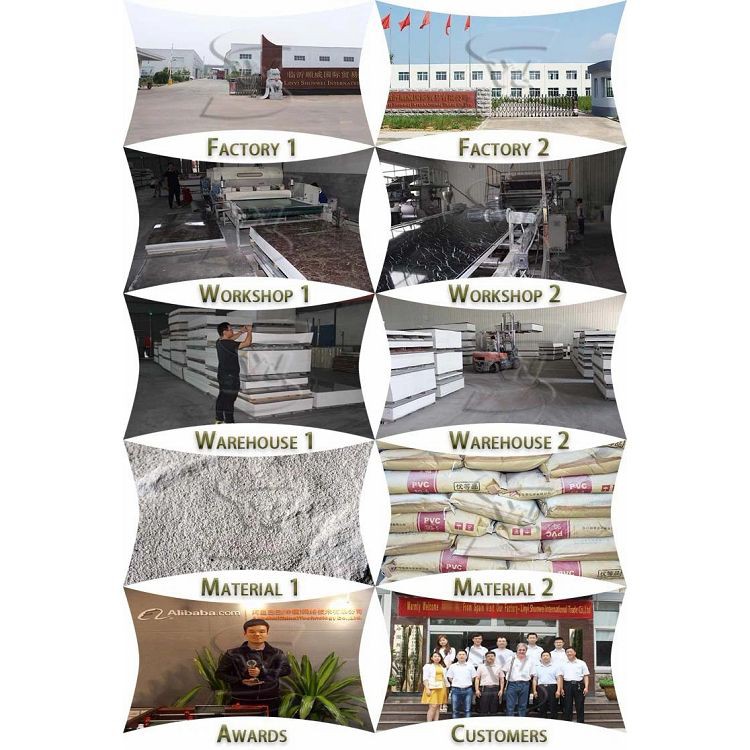
Our Factory
Linyi Shunwei International Trade Co.,Ltd is an integrated Company for 20 years in China, which is fully integrated R & D, design and production resources and mainly sales PS foam line, PS decorative lines, PVC decorative lines, PVC flame retardant line, UV board series, Technology stone lines, decorative painting, Rome column, etc.. The main service objects are calligraphy and painting shop, phase Museum, wedding photography, decoration companies, tooling companies and other regional agents, and suitable for hotels, bars, KTV, tea shops, stores, corporate image and other decorative works.

FAQ
We're professional uv pvc wall panel manufacturers in China, specialized in providing high quality products with low price. If you're going to wholesale customized uv pvc wall panel made in China, welcome to get quotation and free sample from our factory.
3D PVC Marble Sheet, Gilded UV PVC Marble Sheet, 300mm Two Groove Laminated PVC Wall Board