

What kind of adhesive is suitable for indoor UV PVC sheets?
Hey there! As an Indoor UV PVC Sheet supplier, I often get asked about what kind of adhesive is suitable for these sheets. Well, I'm here to share some insights and help you make the right choice.
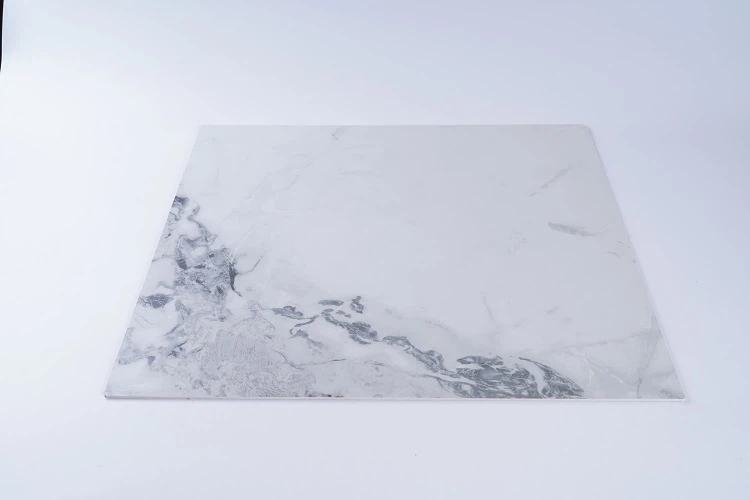
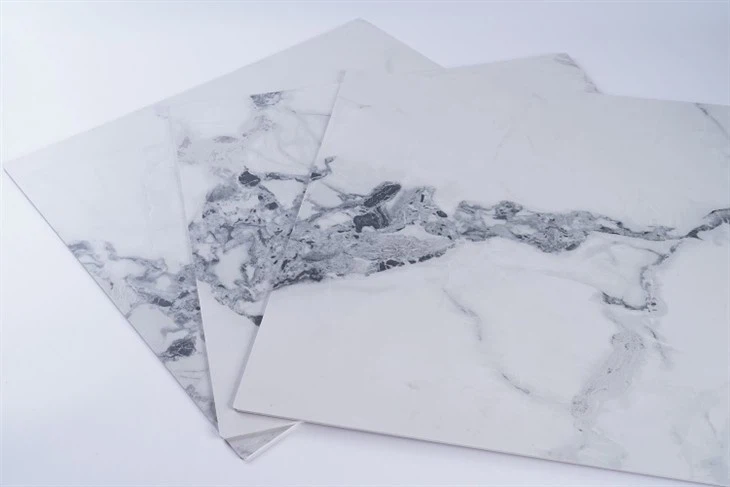
First off, let's talk a bit about Indoor UV PVC Sheets. They're super popular for indoor decoration. We've got a great range, like the 4.0mm PVC Pure Color Sheet Wall Panel. It's got a pure color that can really liven up any room. And then there's the TV Wall UV PVC Sheet, which is perfect for creating a stylish backdrop for your TV area. Plus, our PVC Marble Sheet Waterproof Fireproof Colorful Scratch-resistant is a real winner, offering both beauty and durability.
Now, when it comes to choosing an adhesive for these sheets, there are a few things you need to consider.
1. Compatibility
The most important thing is that the adhesive is compatible with PVC. Some adhesives might react with PVC, causing discoloration or even weakening the bond over time. You want an adhesive that's specifically formulated for PVC materials. Look for products that mention PVC compatibility on the label.
2. Indoor Use
Since these are indoor UV PVC sheets, you need an adhesive that's suitable for indoor environments. Indoor adhesives usually have lower levels of volatile organic compounds (VOCs), which means they won't give off strong, unpleasant odors that could be a problem in a closed space. They're also less likely to cause health issues for you and your family.
3. Bond Strength
You want an adhesive that can create a strong, long-lasting bond. PVC sheets can be a bit flexible, so the adhesive needs to be able to hold them firmly in place, even if there's a little movement. A good bond will prevent the sheets from peeling or coming loose over time.
4. Drying Time
Depending on your project, you might want an adhesive with a fast drying time. If you're in a hurry to finish your installation, a quick-drying adhesive can save you a lot of time. On the other hand, if you need more time to position the sheets correctly, a slower-drying adhesive might be a better choice.
Types of Adhesives
Contact Adhesives
Contact adhesives are a popular choice for PVC sheets. They work by applying the adhesive to both the PVC sheet and the surface you're attaching it to. Once the adhesive is dry to the touch, you press the two surfaces together, and they bond almost instantly. This type of adhesive provides a very strong bond and is great for large sheets because you can position them carefully before making the final bond. However, once you press the surfaces together, there's no going back, so you need to be sure you've got the positioning right.
Epoxy Adhesives
Epoxy adhesives are known for their high strength and durability. They come in two parts that you mix together before use. Once mixed, you have a limited amount of time to apply the adhesive before it starts to set. Epoxy adhesives can create a very strong bond, even on uneven surfaces. They're also resistant to water and chemicals, which makes them a good choice for areas that might get wet or come into contact with cleaning products. However, they can be a bit more difficult to work with than other types of adhesives, and they usually have a longer drying time.
Silicone Adhesives
Silicone adhesives are flexible and waterproof. They're a good choice for areas where there might be some movement, like around doors or windows. Silicone adhesives also have good resistance to UV light, which is important for indoor UV PVC sheets. They're easy to apply and can be used on a variety of surfaces. However, they might not provide as strong a bond as contact or epoxy adhesives, so they might not be suitable for large or heavy sheets.
Application Tips
No matter which adhesive you choose, here are some tips to ensure a successful installation:
- Clean the Surfaces: Make sure both the PVC sheet and the surface you're attaching it to are clean and free of dust, grease, and dirt. This will help the adhesive bond better.
- Apply the Adhesive Evenly: Use a brush, roller, or spray gun to apply the adhesive evenly. This will ensure a uniform bond and prevent any weak spots.
- Follow the Manufacturer's Instructions: Different adhesives have different application and drying times. Make sure you read and follow the instructions on the label carefully.
Conclusion
Choosing the right adhesive for your Indoor UV PVC Sheets is crucial for a successful installation. Consider the compatibility, indoor use, bond strength, and drying time when making your decision. Whether you go for a contact adhesive, epoxy adhesive, or silicone adhesive, following the application tips will help you get the best results.
If you're interested in our Indoor UV PVC Sheets or have any questions about the installation process, feel free to reach out to us for a procurement discussion. We're here to help you make your indoor decoration project a success!
References
- "Adhesive Selection Guide for Plastic Materials", Plastics Industry Association
- "PVC Installation Best Practices", National Association of Home Builders