

What is the environmental impact of manufacturing indoor WPC wall panels?
As a supplier of Indoor WPC Wall Panels, I've witnessed firsthand the growing popularity of these products in interior design. WPC, or Wood-Plastic Composite, wall panels offer a unique blend of aesthetics and functionality, making them a preferred choice for many homeowners and commercial space designers. However, it's crucial to understand the environmental impact of manufacturing these panels. In this blog, I'll delve into the various aspects of the environmental footprint associated with the production of Indoor WPC Wall Panels.
Raw Materials Sourcing
The first step in understanding the environmental impact of manufacturing Indoor WPC Wall Panels is to examine the sourcing of raw materials. WPC panels are typically made from a combination of wood fibers or flour and thermoplastics, such as polyethylene or polypropylene.

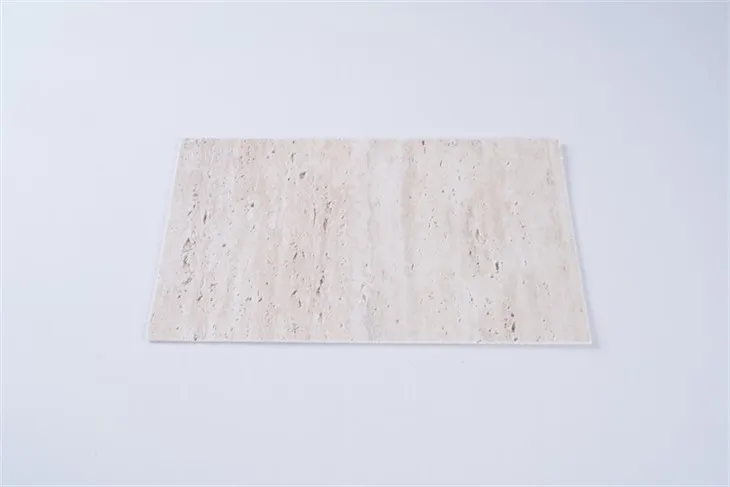
Wood is a renewable resource, and when sourced from sustainably managed forests, it can have a relatively low environmental impact. Sustainable forestry practices ensure that trees are replanted at a rate equal to or greater than their harvest, maintaining the overall health and biodiversity of the forest ecosystem. By using wood fibers from certified sustainable sources, we can contribute to the long-term viability of our forests.
On the other hand, the thermoplastic component of WPC panels is derived from petrochemicals, which are non-renewable resources. The extraction and processing of petrochemicals can have significant environmental consequences, including habitat destruction, water pollution, and greenhouse gas emissions. However, advancements in technology have led to the development of recycled plastics, which can be used as an alternative to virgin plastics in the production of WPC panels. By incorporating recycled plastics into our manufacturing process, we can reduce the demand for new petrochemicals and minimize the environmental impact associated with their extraction and processing.
Manufacturing Process
The manufacturing process of Indoor WPC Wall Panels also plays a crucial role in determining their environmental impact. The production of WPC panels typically involves several steps, including mixing the wood fibers and thermoplastics, extruding the mixture into the desired shape, and finishing the panels.
One of the key environmental concerns associated with the manufacturing process is energy consumption. The extrusion process, in particular, requires a significant amount of energy to heat and shape the WPC mixture. To minimize energy consumption, many manufacturers are investing in energy-efficient equipment and technologies, such as high-speed extruders and advanced heating systems. Additionally, some manufacturers are exploring the use of renewable energy sources, such as solar or wind power, to power their manufacturing facilities.
Another environmental concern is the generation of waste during the manufacturing process. Wood fibers and thermoplastics can produce waste in the form of scrap material, which can be recycled or reused. By implementing a comprehensive waste management system, we can minimize the amount of waste sent to landfills and reduce the environmental impact of our manufacturing operations.
Product Performance and Lifespan
The environmental impact of Indoor WPC Wall Panels extends beyond their manufacturing process and into their use and disposal. The performance and lifespan of WPC panels can have a significant impact on their overall environmental footprint.
WPC panels are known for their durability and resistance to moisture, rot, and insects. This means that they can last for many years without the need for frequent replacement, reducing the demand for new materials and minimizing the environmental impact associated with their production and disposal. Additionally, WPC panels require minimal maintenance, which further reduces their environmental impact by conserving water and energy.
When it comes to disposal, WPC panels can be recycled or reused at the end of their lifespan. Some manufacturers offer take-back programs, where they collect used WPC panels and recycle them into new products. By promoting the recycling and reuse of WPC panels, we can reduce the amount of waste sent to landfills and conserve natural resources.
Comparing with Traditional Building Materials
To fully understand the environmental impact of Indoor WPC Wall Panels, it's important to compare them with traditional building materials, such as wood, drywall, and vinyl.
Wood is a natural and renewable resource, but it can be susceptible to moisture, rot, and insects, which can reduce its lifespan and require frequent replacement. Additionally, the production of wood panels often involves the use of chemicals, such as preservatives and paints, which can have negative environmental impacts.
Drywall is a popular building material, but it is made from gypsum, a non-renewable resource. The production of drywall requires a significant amount of energy and water, and it can generate a large amount of waste during the manufacturing process.
Vinyl is a synthetic material that is known for its durability and low maintenance requirements. However, the production of vinyl involves the use of toxic chemicals, such as chlorine and phthalates, which can have negative environmental and health impacts.
In comparison, Indoor WPC Wall Panels offer a more sustainable alternative to traditional building materials. They are made from a combination of renewable and recycled materials, require minimal energy and water to produce, and can be recycled or reused at the end of their lifespan.
Conclusion
In conclusion, the environmental impact of manufacturing Indoor WPC Wall Panels is a complex issue that involves multiple factors, including raw materials sourcing, manufacturing process, product performance, and lifespan. As a supplier of Indoor WPC Wall Panels, we are committed to minimizing the environmental impact of our products by using sustainable materials, implementing energy-efficient manufacturing processes, and promoting the recycling and reuse of our products.
If you're interested in learning more about our Interior WPC Wall Panel or 160242900mm WPC Wall Panel, or if you have any questions about the environmental impact of our products, please don't hesitate to contact us. We're always happy to discuss your needs and provide you with the information you need to make an informed decision.
References
- ASTM International. (2021). Standard Specification for Wood-Plastic Composite Decking Boards and Guardrail Components. ASTM D7032-21.
- European Composites Industry Association. (2020). Wood-Plastic Composites in Europe: Market Trends and Outlook.
- International Union of Forest Research Organizations. (2019). Sustainable Forest Management: Principles, Criteria, and Indicators.
- US Environmental Protection Agency. (2022). Recycling Basics.