

How to join two pieces of Polymarble PVC Marble Sheet?
Polymarble PVC marble sheets have gained significant popularity in recent years due to their versatility, durability, and aesthetic appeal. As a leading supplier of these high - quality sheets, I often receive inquiries from customers on how to join two pieces of Polymarble PVC marble sheet effectively. In this blog post, I will share some practical and scientific methods to achieve a seamless and sturdy joint.
Understanding Polymarble PVC Marble Sheets
Before we delve into the joining process, it's essential to understand the nature of Polymarble PVC marble sheets. These sheets are a type of synthetic material that mimics the look of natural marble. They are made from polyvinyl chloride (PVC) with advanced digital printing technology to create realistic marble patterns. The sheets are lightweight, easy to install, and resistant to moisture, scratches, and stains. They are widely used in interior decoration, such as wall cladding, ceiling panels, and furniture surfaces.
Preparation
Proper preparation is the key to a successful joint. Here are the steps you need to take:
Measuring and Cutting
First, accurately measure the area where the sheets will be installed and cut the Polymarble PVC marble sheets to the appropriate size. Use a sharp utility knife or a fine - toothed saw for cutting. Make sure the cuts are straight and clean. For a more precise cut, you can use a straightedge as a guide.
Surface Cleaning
Thoroughly clean the edges of the two sheets that will be joined. Remove any dust, dirt, or debris using a clean cloth and a mild detergent. This will ensure better adhesion between the sheets.
Edge Treatment
Smooth the cut edges of the sheets with sandpaper to remove any rough spots or burrs. This will make the joint look more professional and also improve the bonding process.
Joining Methods
Using Adhesive
One of the most common ways to join two pieces of Polymarble PVC marble sheet is by using a suitable adhesive. There are several types of adhesives available for PVC materials, such as solvent - based adhesives and contact adhesives.
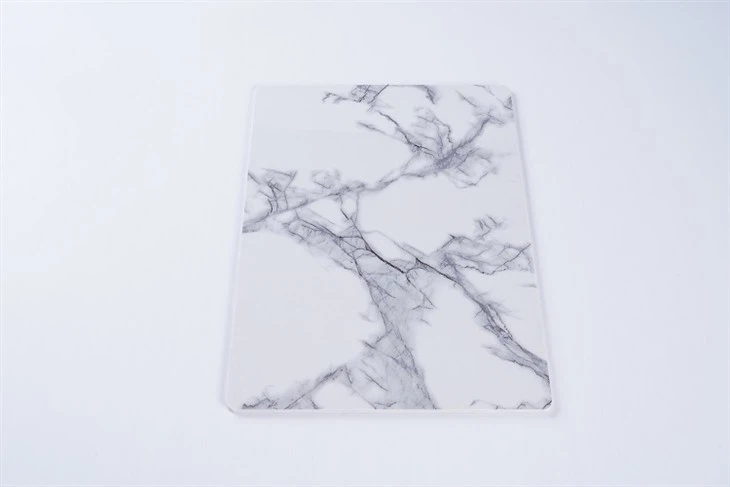
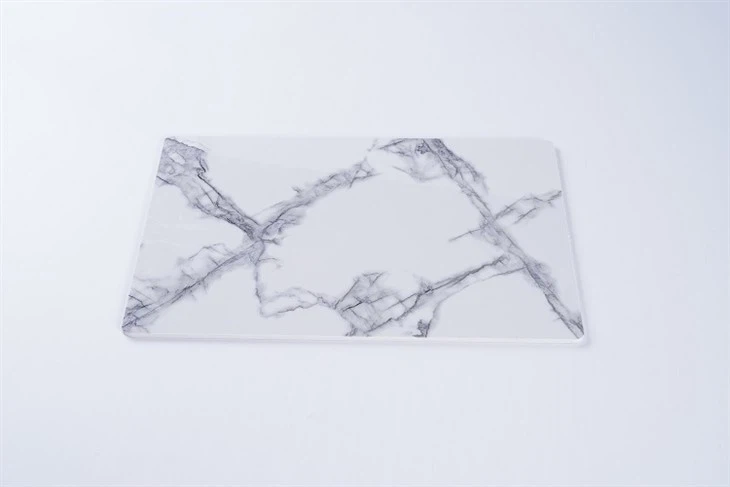
- Solvent - based Adhesives: These adhesives work by dissolving the surface of the PVC, allowing the two pieces to fuse together as the solvent evaporates. Apply a thin, even layer of the solvent - based adhesive to both edges of the sheets using a brush or a roller. Make sure to follow the manufacturer's instructions regarding drying time and application techniques. Once the adhesive is tacky, carefully align the two sheets and press them firmly together. Use clamps or weights to hold the sheets in place until the adhesive has fully cured.
- Contact Adhesives: Contact adhesives are applied to both surfaces and allowed to dry until they become tacky. When the two treated surfaces are brought together, they bond immediately. Apply the contact adhesive evenly to the edges of the sheets and let it dry for the recommended time. Then, align the sheets precisely and press them firmly to create a strong bond.
Mechanical Fasteners
In some cases, mechanical fasteners can be used to join the Polymarble PVC marble sheets, especially when a more temporary or adjustable joint is required.
- Screws and Bolts: You can use self - tapping screws or bolts to fasten the two sheets together. Drill pilot holes in the sheets to prevent cracking. Make sure the screws or bolts are made of a corrosion - resistant material, such as stainless steel. After inserting the fasteners, you can cover them with decorative caps to give the joint a more finished look.
- Clips and Channels: Specialized clips and channels can also be used to join the sheets. These can be easily installed and provide a secure connection. Some clips are designed to be hidden, giving the appearance of a seamless joint.
Tips for a Seamless Joint
- Color Matching: Ensure that the two sheets have a similar color and pattern. Although Polymarble PVC marble sheets are produced with high - precision digital printing, there may still be slight variations. Select sheets from the same batch if possible to achieve a more consistent look.
- Alignment: Take your time to align the two sheets accurately. Use a level and a straightedge to ensure that the joint is straight and the sheets are flush with each other.
- Finishing Touches: After the joint is made, you can use a PVC filler or caulk to fill any small gaps or imperfections. Sand the joint lightly to smooth it out and then apply a clear coat or polish to match the finish of the rest of the sheet.
Advantages of Polymarble PVC Marble Sheets
As a supplier, I am well - aware of the numerous benefits of Polymarble PVC marble sheets. They offer a cost - effective alternative to natural marble. Unlike natural marble, which can be heavy, expensive, and difficult to install, Polymarble PVC marble sheets are lightweight and easy to handle. They also provide excellent resistance to moisture, making them suitable for areas such as bathrooms and kitchens.
If you are interested in exploring our range of Polymarble PVC marble sheets, you can visit our product pages: Innovative Digital Marble Artistry, Marble Alternative PVC Wall Panel, and Faux Marble PVC Wall Panel.
Contact for Purchase and Negotiation
If you are considering using Polymarble PVC marble sheets for your next project, we are here to assist you. Whether you need more information about the joining process, product specifications, or pricing, feel free to contact us. We are always ready to engage in purchase negotiations to meet your specific needs.
References
- "PVC Plastics Handbook" by William V. Titow.
- Manufacturer's guidelines for Polymarble PVC marble sheets.
- Industry standards for PVC installation and joining techniques.