

How to cut the Beautiful UV PVC Marble Sheet without chipping?
As a supplier of Beautiful UV PVC Marble Sheets, I've encountered numerous inquiries from customers regarding the proper cutting techniques to avoid chipping. This blog post aims to share some practical tips and best practices to help you achieve clean and precise cuts on our UV PVC Marble Sheets.
Understanding the Material
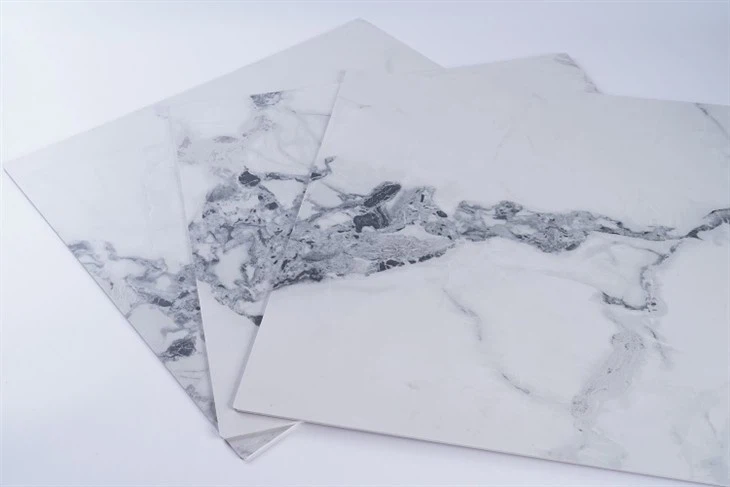
Before diving into the cutting process, it's essential to understand the unique properties of our Beautiful UV PVC Marble Sheets. These sheets are made from high - quality PVC material with a UV - resistant coating that mimics the look of natural marble. They are lightweight, durable, and easy to install, making them a popular choice for various interior decoration projects such as wall panels, TV wall claddings, and more. You can explore our 2.2mm PVC Marble Sheet Wall Panel, TV Wall UV PVC Sheet, and Fireproof UV PVC Sheet for different application needs.
Tools Required
The right tools are crucial for cutting UV PVC Marble Sheets without chipping. Here are some of the essential tools you'll need:
- Circular Saw: A circular saw equipped with a fine - tooth blade is ideal for making straight cuts on large sheets. The fine teeth help to reduce the risk of chipping by making smoother cuts.
- Jigsaw: For curved or intricate cuts, a jigsaw is a great option. Make sure to use a blade specifically designed for cutting PVC materials.
- Utility Knife: A sharp utility knife can be used for scoring and cutting thinner sheets or for making small, precise cuts.
- Clamps: To keep the sheet stable during cutting, use clamps to secure it to a workbench or cutting surface.
- Measuring Tools: A tape measure, square, and pencil are necessary for accurate marking and measuring before cutting.
Preparation Steps
Proper preparation is key to successful cutting. Follow these steps before you start cutting:
- Measure and Mark: Use your measuring tools to mark the cutting lines on the sheet accurately. Double - check your measurements to ensure precision.
- Secure the Sheet: Place the sheet on a flat, stable work surface and use clamps to hold it firmly in place. This will prevent the sheet from moving during cutting, which can lead to chipping.
- Choose the Right Blade: Select the appropriate blade for your saw based on the type of cut you need to make. As mentioned earlier, a fine - tooth blade is best for reducing chipping.
Cutting Techniques
Straight Cuts with a Circular Saw
- Set the Depth: Adjust the depth of the saw blade so that it is slightly deeper than the thickness of the sheet. This will ensure a clean cut without damaging the work surface.
- Start Slowly: Begin the cut at a slow speed to allow the blade to penetrate the sheet smoothly. As you progress, you can gradually increase the speed.
- Keep a Steady Hand: Maintain a steady hand and a consistent cutting speed throughout the process. Avoid applying too much pressure, as this can cause the blade to bind and result in chipping.
Curved Cuts with a Jigsaw
- Mark the Curve: Use a pencil to mark the curved cutting line on the sheet. Make the line as smooth as possible.
- Start the Jigsaw: Turn on the jigsaw and let it reach full speed before starting the cut.
- Follow the Curve: Guide the jigsaw along the marked curve slowly and steadily. Keep the blade perpendicular to the sheet to ensure a clean cut.
Scoring and Cutting with a Utility Knife
- Score the Sheet: Use a sharp utility knife to score the sheet along the cutting line multiple times. Apply firm pressure to create a deep score.
- Break the Sheet: Once the score is deep enough, place the sheet on the edge of a table with the scored line aligned with the edge. Apply downward pressure on the overhanging part of the sheet to break it along the scored line.
Additional Tips
- Use a Backer Board: Placing a piece of scrap wood or cardboard behind the cutting line can help prevent chipping on the backside of the sheet.
- Lubricate the Blade: Applying a small amount of lubricant to the saw blade can reduce friction and heat, which can also help prevent chipping.
- Sand the Edges: After cutting, use sandpaper to smooth the edges of the sheet. This will remove any rough spots or burrs and give the cut a professional finish.
Troubleshooting
If you encounter chipping during the cutting process, here are some possible solutions:
- Check the Blade: A dull or damaged blade can cause chipping. Replace the blade if necessary.
- Reduce Cutting Speed: Cutting too fast can lead to chipping. Slow down your cutting speed and see if it improves the results.
- Adjust the Depth: Make sure the blade depth is set correctly. If the blade is too deep, it can cause more stress on the sheet and result in chipping.
Conclusion
Cutting Beautiful UV PVC Marble Sheets without chipping requires the right tools, proper preparation, and the correct cutting techniques. By following the tips and guidelines outlined in this blog post, you can achieve clean and precise cuts for your interior decoration projects.

If you're interested in purchasing our high - quality Beautiful UV PVC Marble Sheets or have any questions about cutting or installation, we invite you to contact us for further discussion. We're always here to provide you with the best products and professional advice.
References
- "PVC Cutting Guide", General PVC Product Manual
- "Best Practices for Cutting Synthetic Materials", DIY Home Improvement Magazine