

How do WPC wall panels hold up against wear and tear?
WPC (Wood-Plastic Composite) wall panels have emerged as a popular choice for both interior and exterior applications in recent years. As a supplier of WPC wall panels, I often get asked about how these panels hold up against wear and tear. In this blog post, I'll delve into the factors that contribute to the durability of WPC wall panels and explain why they are a reliable option for long - lasting installations.
Composition and Structural Integrity
WPC wall panels are made by combining wood fibers or flour with thermoplastics. This unique blend results in a material that inherits the best qualities of both wood and plastic. The wood component gives the panels a natural, warm appearance, while the plastic provides strength, moisture resistance, and dimensional stability.
The manufacturing process of WPC wall panels involves extrusion, which creates a uniform and dense structure. This density plays a crucial role in the panel's ability to withstand wear and tear. A well - made WPC panel has a consistent internal structure that resists cracking, splitting, and warping over time. For example, compared to traditional wooden panels, WPC panels are less likely to be affected by changes in humidity and temperature, which can cause wood to expand or contract.
Resistance to Scratches and Abrasion
One of the most common forms of wear and tear in wall panels is scratching and abrasion. In high - traffic areas such as hallways, commercial spaces, or areas near furniture, walls are constantly at risk of being scratched. WPC wall panels have a relatively high resistance to scratches due to the plastic component in their composition.
The surface of a quality WPC wall panel is designed to be tough. Many manufacturers apply a protective layer during the production process. This layer acts as a shield, preventing minor scratches from marring the panel's appearance. Even in areas where there is regular contact with objects, the panels can maintain their smooth finish for a long time. For instance, in a busy restaurant or a school corridor, WPC wall panels can withstand the daily bumps and scrapes without showing significant signs of damage.
Moisture Resistance
Moisture is a major enemy of many building materials. It can cause rot, mold growth, and structural damage. WPC wall panels are highly resistant to moisture, making them suitable for both indoor and outdoor use.
For Outdoor WPC Wall Panel, their moisture - resistant properties are especially important. They can withstand rain, snow, and high humidity levels without deteriorating. Unlike traditional wood panels, which can absorb water and start to decay, WPC panels repel water, ensuring their long - term durability in outdoor environments.
Indoors, in areas such as bathrooms, kitchens, or basements, where moisture levels are typically high, WPC wall panels are also a great choice. They won't warp or develop mold, providing a clean and healthy environment. Interior WPC Wall Panel and WPC Interior Wall Panel are designed to resist moisture while adding an aesthetic touch to the space.
UV Resistance
For outdoor applications, UV resistance is a key factor in determining a panel's ability to withstand wear and tear. Prolonged exposure to sunlight can cause fading, discoloration, and degradation of materials. WPC wall panels are formulated with UV - stabilizing additives to protect them from the harmful effects of the sun.
These additives help the panels maintain their color and structural integrity over time. Even after years of exposure to direct sunlight, a high - quality WPC wall panel will not fade significantly. This is a significant advantage over some other materials that may lose their color vibrancy or become brittle under UV radiation.
Fire Resistance
Fire safety is a critical consideration in any building project. WPC wall panels can be engineered to have a certain level of fire resistance. Some WPC panels are treated with fire - retardant chemicals during the manufacturing process.
These fire - retardant WPC wall panels can slow down the spread of fire, providing valuable time for evacuation in case of a fire emergency. They also produce less smoke compared to some traditional building materials, which is an important safety feature.
Impact Resistance
In areas where there is a risk of impact, such as in industrial settings or near sports facilities, WPC wall panels can offer good impact resistance. The combination of wood and plastic in the panels gives them a certain degree of flexibility and strength.
When an object hits a WPC wall panel, it can absorb the impact energy without breaking or cracking easily. This is in contrast to some brittle materials that may shatter upon impact. For example, in a gymnasium, where balls and equipment may accidentally hit the walls, WPC wall panels can withstand the impacts and remain intact.
Long - Term Durability and Maintenance
Overall, WPC wall panels are known for their long - term durability. With proper installation and minimal maintenance, they can last for decades. Maintenance of WPC wall panels is relatively easy. They can be cleaned with a mild detergent and water, and there is no need for regular painting or staining like traditional wooden panels.
This low - maintenance characteristic makes WPC wall panels a cost - effective choice in the long run. The initial investment in WPC wall panels may be slightly higher than some other materials, but the savings in maintenance and replacement costs over time make them a wise investment.
Conclusion
As a supplier of WPC wall panels, I am confident in the ability of these panels to hold up against wear and tear. Their unique composition, combined with advanced manufacturing techniques, gives them excellent resistance to scratches, moisture, UV radiation, fire, and impact. Whether you are looking for Outdoor WPC Wall Panel for your garden or Interior WPC Wall Panel for your home or commercial space, WPC wall panels offer a durable and aesthetically pleasing solution.

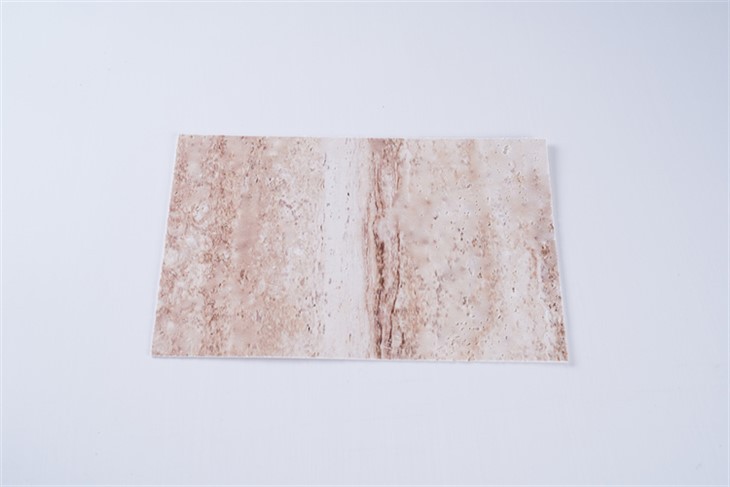
If you are interested in purchasing WPC wall panels for your next project, I encourage you to contact us for more information. We can provide you with detailed product specifications, samples, and pricing. Let's start a conversation about how our WPC wall panels can meet your needs and enhance the longevity and beauty of your space.
References
- ASTM International. (20XX). Standard test methods for wood - plastic composites.
- Smith, J. (20XX). Durability of building materials: A comparative study. Journal of Building Science.
- Manufacturer's product literature on WPC wall panels.