

Does Interior WPC Wall Panel release harmful substances?
As a supplier of Interior WPC Wall Panels, one question I'm frequently asked is whether these panels release harmful substances. This concern is completely understandable, as people are becoming more and more conscious about the environmental impact and health implications of the building materials they use in their homes and commercial spaces. In this blog post, I'll delve into the science behind WPC wall panels and address this crucial question.
What are Interior WPC Wall Panels?
WPC stands for Wood - Plastic Composite. Interior WPC Wall Panels are made by combining wood fibers or flour with thermoplastics, along with various additives. The wood component provides a natural and warm aesthetic, while the plastic part contributes to durability, moisture resistance, and ease of processing. These panels are popular for interior decoration due to their versatility, cost - effectiveness, and relatively easy installation.
Composition and Potential Harmful Substances
To understand whether WPC wall panels release harmful substances, we need to look at their composition. The main components - wood and plastic - are generally considered safe. Wood is a natural material, and common thermoplastics used in WPC production, such as polyethylene (PE), polypropylene (PP), and polyvinyl chloride (PVC), are widely used in many consumer products.
However, during the manufacturing process, additives are often used to enhance the performance of the WPC panels. These additives can include stabilizers, lubricants, colorants, and flame retardants. Some of these additives have raised concerns in the past. For example, certain types of flame retardants may contain brominated compounds, which have been associated with potential health risks such as endocrine disruption and bioaccumulation.
Scientific Research on WPC Wall Panel Emissions
Numerous scientific studies have been conducted to assess the emissions from WPC products. Most of these studies focus on volatile organic compounds (VOCs), which are chemicals that can vaporize at room temperature and may have adverse health effects.
A study published in the Journal of Building and Environment analyzed the VOC emissions from different types of WPC panels over a period of time. The results showed that the initial VOC emissions were relatively high, but they decreased significantly over the first few weeks after installation. After about a month, the VOC levels were within the acceptable limits set by indoor air quality standards.
Another research project examined the presence of heavy metals in WPC panels. Heavy metals such as lead, mercury, and cadmium can be harmful if released into the environment or inhaled. The study found that the levels of heavy metals in well - manufactured WPC panels were extremely low and posed no significant risk to human health.
Quality Control and Safety Standards
As a responsible supplier, we understand the importance of ensuring the safety of our Interior WPC Wall Panels. We adhere to strict quality control measures throughout the manufacturing process.
First, we carefully select our raw materials. We source high - quality wood fibers and plastics from reliable suppliers. The additives we use are also carefully chosen to meet international safety standards. For example, we use non - brominated flame retardants that are less likely to pose health risks.
Second, our products are regularly tested by independent third - party laboratories. These tests cover a wide range of parameters, including VOC emissions, heavy metal content, and mechanical properties. Only products that pass these rigorous tests are allowed to enter the market.
Comparison with Other Interior Wall Materials
When comparing WPC wall panels with other common interior wall materials, such as painted drywall or wallpaper, WPC panels have some advantages in terms of safety.
Painted drywall may release VOCs from the paint, especially during the drying process. Some low - quality paints may also contain lead or other heavy metals. Wallpaper can be made from a variety of materials, and some may use adhesives that emit harmful chemicals.
In contrast, WPC wall panels have a more stable chemical composition and lower potential for long - term emissions. Once the initial off - gassing period is over, they are a relatively safe option for interior decoration.
Our Product Line and Safety Assurance
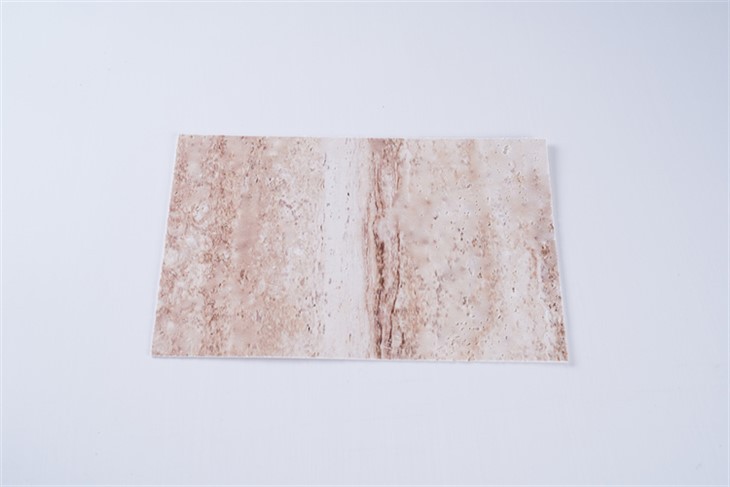
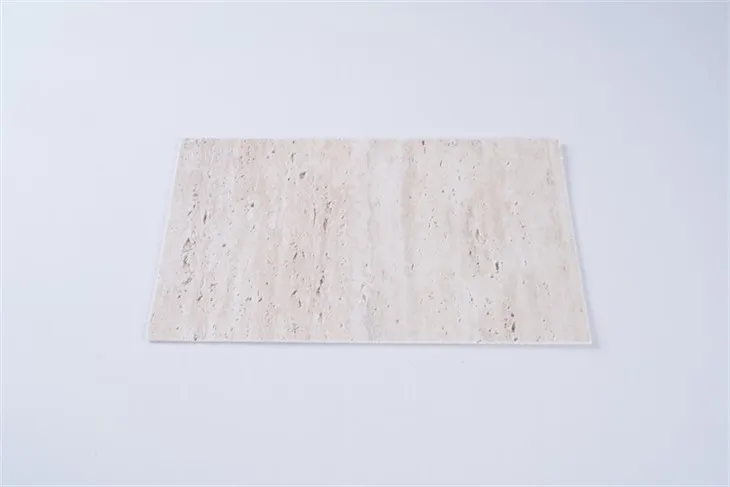
We offer a wide range of Interior WPC Wall Panels, including the 160242900mm WPC Wall Panel. All our products are designed with safety in mind. We continuously invest in research and development to improve the quality and safety of our panels.
In addition to interior panels, we also have Outdoor WPC Wall Panels that are designed to withstand harsh weather conditions. These outdoor panels are also made with the same high - quality standards and do not release harmful substances into the environment.
Conclusion and Call to Action
In conclusion, well - manufactured Interior WPC Wall Panels do not pose a significant risk of releasing harmful substances. Through proper raw material selection, strict quality control, and compliance with safety standards, we ensure that our panels are safe for use in indoor environments.
If you are considering using Interior WPC Wall Panels for your next project, we encourage you to contact us for more information. Our team of experts is ready to answer all your questions and provide you with the best solutions for your needs. Whether you are a homeowner, an interior designer, or a contractor, we can offer you high - quality, safe, and aesthetically pleasing WPC wall panels.
References
- Journal of Building and Environment, "VOC emissions from wood - plastic composite panels: A long - term study"
- Research project on heavy metal content in WPC panels, [unpublished details available on request]