

Can WPC interior wall panels be cut easily?
As a supplier of WPC interior wall panels, one question I often get asked is whether these panels can be cut easily. This is a crucial concern for both installers and end - users, as the ability to cut panels efficiently can significantly impact the installation process and the overall project outcome. In this blog, I'll delve into the factors affecting the ease of cutting WPC interior wall panels and provide some practical insights.
Understanding WPC Interior Wall Panels
Before discussing the cutting process, it's essential to understand what WPC interior wall panels are. WPC, or Wood - Plastic Composite, is a material made by combining wood fibers or flour with thermoplastics, such as polyethylene, polypropylene, or PVC. This combination results in a product that offers the aesthetic appeal of wood with the durability and moisture resistance of plastic.
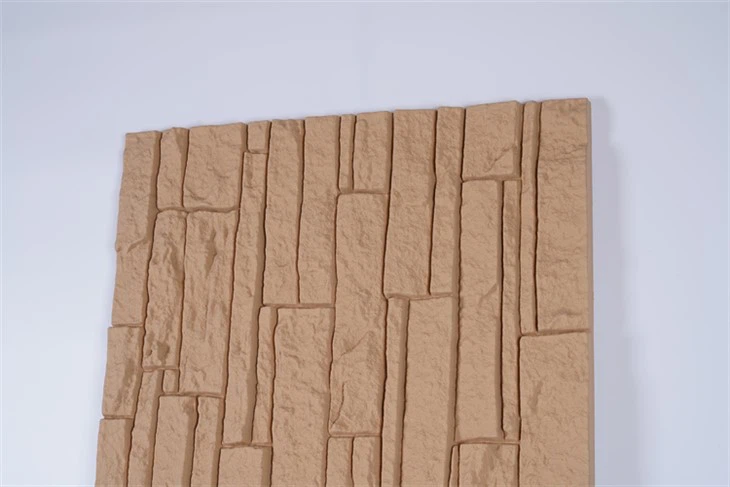
WPC interior wall panels come in various sizes, designs, and thicknesses. For instance, our Indoor WPC Wall Panel is specifically designed for indoor use, providing a stylish and practical solution for wall decoration. Our High Strength WPC Wall Panel is engineered to withstand more stress, making it suitable for high - traffic areas. And the 160242900mm WPC Wall Panel is a popular size that can be used in a variety of projects.
Factors Affecting the Ease of Cutting
Material Composition
The composition of WPC interior wall panels plays a significant role in how easily they can be cut. The ratio of wood fibers to plastic in the composite affects its hardness and brittleness. Panels with a higher proportion of wood fibers may be more similar to natural wood in terms of cutting characteristics, while those with a higher plastic content may be more flexible but also have a tendency to melt during cutting if the wrong tools are used.
Panel Thickness
Thicker panels generally require more effort to cut compared to thinner ones. A thicker panel has more material to pass through, which can slow down the cutting process and may require more powerful tools. For example, cutting a 24 - mm thick panel will be more challenging than cutting a 12 - mm thick panel.
Cutting Tools
The choice of cutting tools is crucial. The right tool can make the cutting process smooth and efficient, while the wrong one can lead to rough edges, chipping, or even damage to the panel. Commonly used tools for cutting WPC interior wall panels include circular saws, jigsaws, and hand saws.
Cutting Tools and Techniques
Circular Saws
Circular saws are a popular choice for cutting WPC interior wall panels, especially for straight cuts. They offer high cutting speed and can handle panels of various thicknesses. When using a circular saw, it's important to choose the right blade. A fine - tooth blade with carbide tips is recommended, as it can provide clean cuts and reduce the risk of chipping.
To cut with a circular saw, first, mark the cutting line on the panel accurately. Then, set the saw blade to the appropriate depth, ensuring that it is slightly deeper than the thickness of the panel. Secure the panel firmly to prevent it from moving during cutting. Start the saw and slowly guide it along the marked line.
Jigsaws
Jigsaws are ideal for making curved or irregular cuts. They are more versatile than circular saws in terms of cutting shapes. Similar to circular saws, a fine - tooth blade is recommended for WPC panels. When using a jigsaw, clamp the panel securely and start the saw. Move the saw slowly along the marked line, following the curve or shape precisely.
Hand Saws
Hand saws can be used for small - scale projects or for making minor adjustments. They are less powerful than power saws but can still get the job done. A fine - tooth hand saw is best for cutting WPC panels. However, cutting with a hand saw requires more physical effort and time compared to power saws.
Tips for Easy Cutting
Pre - cutting Preparation
Before cutting, make sure to clean the panel surface to remove any dust or debris. This can prevent the blade from getting clogged and ensure a smoother cut. Also, double - check the cutting measurements to avoid mistakes.
Lubrication
For power saws, using a lubricant can reduce friction and heat during cutting. This is especially important when cutting panels with a high plastic content, as it can prevent the plastic from melting and sticking to the blade.
Support the Panel
When cutting, provide adequate support to the panel. This can prevent the panel from sagging or vibrating, which can lead to uneven cuts. For large panels, it may be necessary to use sawhorses or other support structures.

Conclusion
In general, WPC interior wall panels can be cut easily if the right tools and techniques are used. Understanding the material composition, panel thickness, and choosing the appropriate cutting tools are key to achieving clean and accurate cuts. Whether you are an installer or a DIY enthusiast, following the tips mentioned above can make the cutting process much smoother.
If you are interested in our WPC interior wall panels or have any questions about cutting or installation, we would love to hear from you. Contact us to discuss your project requirements and start a procurement negotiation. We are committed to providing high - quality products and excellent customer service.
References
- "Wood - Plastic Composites: Materials, Processing, and Products" by A. K. Mohanty, M. Misra, and L. T. Drzal.
- "Handbook of Wood Chemistry and Wood Composites" edited by R. Rowell, J. Han, and X. Cai.