

Can indoor UV PVC sheets be bent?
Can indoor UV PVC sheets be bent?
As a dedicated supplier of Indoor UV PVC Sheets, I often encounter questions from clients about the flexibility and bendability of these products. In this blog post, I'll delve into the topic of whether indoor UV PVC sheets can be bent, exploring the factors that influence their bendability, the bending techniques, and the potential applications of bent indoor UV PVC sheets.
Understanding Indoor UV PVC Sheets
Before we discuss bendability, it's essential to understand what indoor UV PVC sheets are. These sheets are made from polyvinyl chloride (PVC), a versatile plastic material known for its durability, chemical resistance, and ease of processing. The "UV" in the name indicates that the sheets are treated to resist the harmful effects of ultraviolet light, making them suitable for indoor applications where long - term color retention and surface integrity are important.
Indoor UV PVC sheets come in various thicknesses, colors, and finishes. They are commonly used for interior wall cladding, ceiling panels, furniture decoration, and display units. For instance, the TV Wall UV PVC Sheet is a popular choice for creating modern and stylish TV backgrounds in living rooms.
Factors Affecting Bendability
The bendability of indoor UV PVC sheets is influenced by several factors:
- Thickness: Thinner sheets are generally more flexible and easier to bend than thicker ones. For example, a 2mm thick indoor UV PVC sheet can be bent more readily than a 5mm thick sheet. As the thickness increases, the sheet becomes stiffer, and more force is required to bend it without causing cracks or breaks.
- Temperature: PVC is a thermoplastic material, which means its properties change with temperature. At higher temperatures, PVC becomes more malleable and easier to bend. Conversely, at lower temperatures, it becomes more brittle. To achieve a successful bend, it's often necessary to heat the sheet to a specific temperature range.
- Additives and Formulation: The formulation of the PVC sheet, including the type and amount of additives, can affect its flexibility. Some additives are designed to enhance the impact resistance and flexibility of the sheet, making it more suitable for bending operations.
Bending Techniques
There are two main methods for bending indoor UV PVC sheets: cold bending and hot bending.
Cold Bending
Cold bending is suitable for thin indoor UV PVC sheets with a thickness of up to 3mm. This method involves applying force to the sheet at room temperature to achieve the desired bend. However, it's important to note that cold bending has limitations. The radius of the bend must be relatively large to avoid cracking or breaking the sheet. For example, if you're trying to create a gentle curve in a 2mm thick Indoor UV PVC Sheet, cold bending may be a viable option.
Hot Bending
Hot bending is the preferred method for thicker sheets or when a smaller bend radius is required. This process involves heating the sheet to a specific temperature range (usually between 120 - 160°C) until it becomes soft and pliable. Once the sheet reaches the appropriate temperature, it can be bent into the desired shape using a bending jig or mold. After bending, the sheet is allowed to cool and set in the new shape.

There are several ways to heat the PVC sheet for hot bending:
- Oven Heating: Place the sheet in an oven pre - heated to the recommended temperature. This method provides uniform heating but requires careful monitoring to prevent overheating.
- Hot Air Gun: A hot air gun can be used to heat specific areas of the sheet. This is a more targeted approach, suitable for small - scale bending operations.
Applications of Bent Indoor UV PVC Sheets
Bent indoor UV PVC sheets open up a wide range of design possibilities. Here are some common applications:
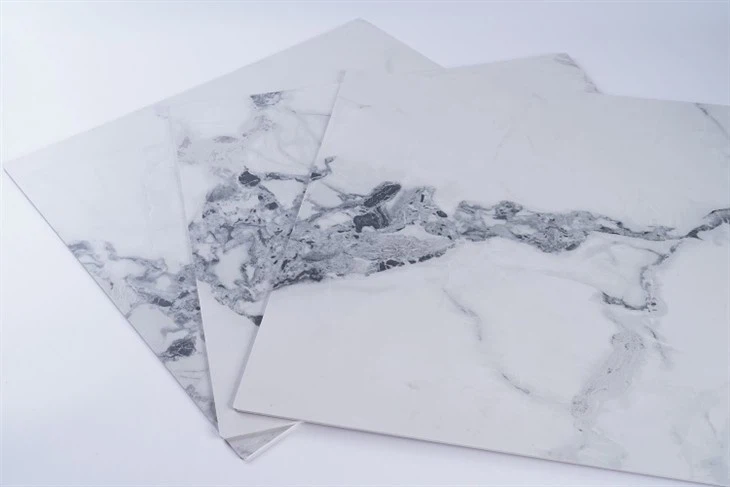
- Curved Wall Cladding: Bent sheets can be used to create curved wall surfaces, adding a dynamic and modern touch to interior spaces. For example, in a commercial lobby or a contemporary art gallery, curved wall cladding made from PVC Marble Sheet Waterproof Fireproof Colorful Scratch - resistant can create a striking visual effect.
- Rounded Furniture Edges: By bending indoor UV PVC sheets, furniture manufacturers can create rounded edges for tables, cabinets, and other furniture pieces. This not only enhances the aesthetic appeal but also reduces the risk of injury from sharp corners.
- Custom Display Units: Bent sheets can be used to construct custom - shaped display units for retail stores or trade shows. The ability to create unique shapes and curves allows for more creative and eye - catching displays.
Quality Assurance and Precautions
When bending indoor UV PVC sheets, it's crucial to ensure the quality of the final product. Here are some precautions to take:
- Inspect the Sheet: Before bending, carefully inspect the sheet for any defects or damage. A damaged sheet is more likely to crack or break during the bending process.
- Use the Right Tools: Use appropriate bending jigs, molds, and heating equipment to ensure a smooth and accurate bend.
- Test the Bend: Before bending a large number of sheets, it's advisable to conduct a test bend on a small sample to determine the optimal temperature, bending radius, and other parameters.
Conclusion
In conclusion, indoor UV PVC sheets can be bent, but the success of the bending process depends on several factors such as thickness, temperature, and formulation. By understanding these factors and using the appropriate bending techniques, it's possible to create a wide range of custom - shaped products for various indoor applications.
If you're interested in exploring the possibilities of using bent indoor UV PVC sheets for your next project, I invite you to contact us for more information. Our team of experts can provide you with detailed product specifications, bending guidelines, and samples to help you make an informed decision. Whether you're a contractor, designer, or furniture manufacturer, we're here to support you in achieving your design goals with our high - quality indoor UV PVC sheets.
References
- "Plastics Technology Handbook" by James F. Carley
- "PVC: Properties, Processing, and Applications" by Charles A. Daniels