

Are WPC interior wall panels safe for children's rooms?
As a supplier of WPC Interior Wall Panels, I often receive inquiries from parents concerned about the safety of using these panels in their children's rooms. This is a crucial question that deserves a comprehensive and science - based answer. In this blog, I'll delve into the various aspects of the safety of WPC interior wall panels for children's rooms.
1. Composition and Material Safety
WPC, or Wood - Plastic Composite, is a material made by combining wood fibers or flour with thermoplastics, along with some additives and colorants. The wood component usually comes from recycled wood waste, such as sawdust or wood chips, while the plastic part is often polyethylene or polypropylene.
From a material safety perspective, these base materials are generally considered safe. Wood is a natural and non - toxic material that we have been using in our living environments for centuries. Polyethylene and polypropylene are widely used in food packaging and consumer products, which indicates their low toxicity levels.
However, the safety also depends on the quality of the additives used. High - quality WPC interior wall panels use additives that are compliant with international safety standards. For example, they are free from heavy metals like lead, mercury, and cadmium, which can be extremely harmful to children's developing nervous systems. Our WPC Interior Wall Panel products are rigorously tested to ensure they meet strict safety criteria in terms of chemical composition.
2. Formaldehyde Emission
One of the major concerns when it comes to interior building materials is formaldehyde emission. Formaldehyde is a volatile organic compound (VOC) that can cause irritation to the eyes, nose, and throat, and long - term exposure may even be linked to cancer.
In the manufacturing process of WPC interior wall panels, formaldehyde is not a necessary component. High - quality WPC panels are designed to have extremely low or even negligible formaldehyde emissions. Our company adheres to the strictest industry standards, and our panels are certified to have formaldehyde emissions well below the limits set by relevant regulations. This means that when you use our Interior WPC Wall Panel in your children's room, you can rest assured that the air quality will not be compromised by formaldehyde.
3. Fire Resistance
Children's safety is of utmost importance, and fire safety is a significant aspect. WPC interior wall panels can be engineered to have good fire - resistant properties. Many of our WPC panels are treated with fire - retardant additives during the manufacturing process. These additives can slow down the spread of fire and reduce the amount of smoke generated in case of a fire.
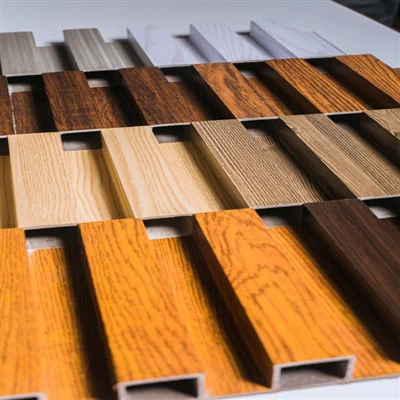
When a fire breaks out, the ability of the wall panels to resist ignition and slow the spread of flames can buy precious time for evacuation, especially in a children's room where quick action may be more difficult. Our 160242900mm WPC Wall Panel is an example of a product with excellent fire - resistant characteristics, providing an extra layer of safety for your little ones.

4. Physical Durability and Safety
In a children's room, the wall panels need to withstand a certain amount of wear and tear. WPC interior wall panels are known for their durability. They are resistant to scratches, dents, and impacts. This is important because children are often more active and may accidentally bump into the walls or use them as a surface for play.
Unlike some traditional wall materials like painted drywall, which can easily get damaged and may expose sharp edges or release small particles if chipped, WPC panels maintain their integrity. Their smooth and seamless surface also makes them easy to clean, which is essential for maintaining a hygienic environment in the children's room.
5. Mold and Mildew Resistance
Children are more susceptible to respiratory problems, and mold and mildew can be a major trigger. WPC interior wall panels have inherent resistance to mold and mildew growth. The plastic component in the WPC material makes it less porous compared to natural wood, which means it is less likely to absorb moisture and provide a breeding ground for mold.
In a children's room, where humidity levels can sometimes fluctuate due to activities like bathing or playing with water, having mold - resistant wall panels is crucial. This helps to keep the air in the room clean and reduces the risk of children developing allergies or respiratory issues related to mold exposure.
6. Environmental Impact
As parents, many are also concerned about the environmental impact of the materials they choose for their children's rooms. WPC interior wall panels are an environmentally friendly option. They are made from recycled materials, which helps to reduce waste and conserve natural resources.
Moreover, their long - lasting nature means that they don't need to be replaced as frequently as some other wall materials. This further reduces the overall environmental footprint associated with the construction and maintenance of the children's room.
Conclusion
In conclusion, when it comes to the question of whether WPC interior wall panels are safe for children's rooms, the answer is a resounding yes. With proper manufacturing processes and high - quality standards, these panels offer a combination of chemical safety, fire resistance, physical durability, and environmental friendliness.
Our company is committed to providing the safest and highest - quality WPC Interior Wall Panel products. If you are considering using WPC wall panels in your children's room, we invite you to contact us for more information and to discuss your specific requirements. We are here to help you create a safe and beautiful environment for your children.
References
- ASTM International. (20XX). Standard test methods for evaluating the properties of wood - plastic composites.
- World Health Organization. (20XX). Guidelines for indoor air quality: Formaldehyde.
- European Union. (20XX). Regulations on the use of heavy metals in building materials.